Kitchen Grease Removal for Moms: Three Real-World Scenarios and Four Common Buying Mistakes
2026-10-13
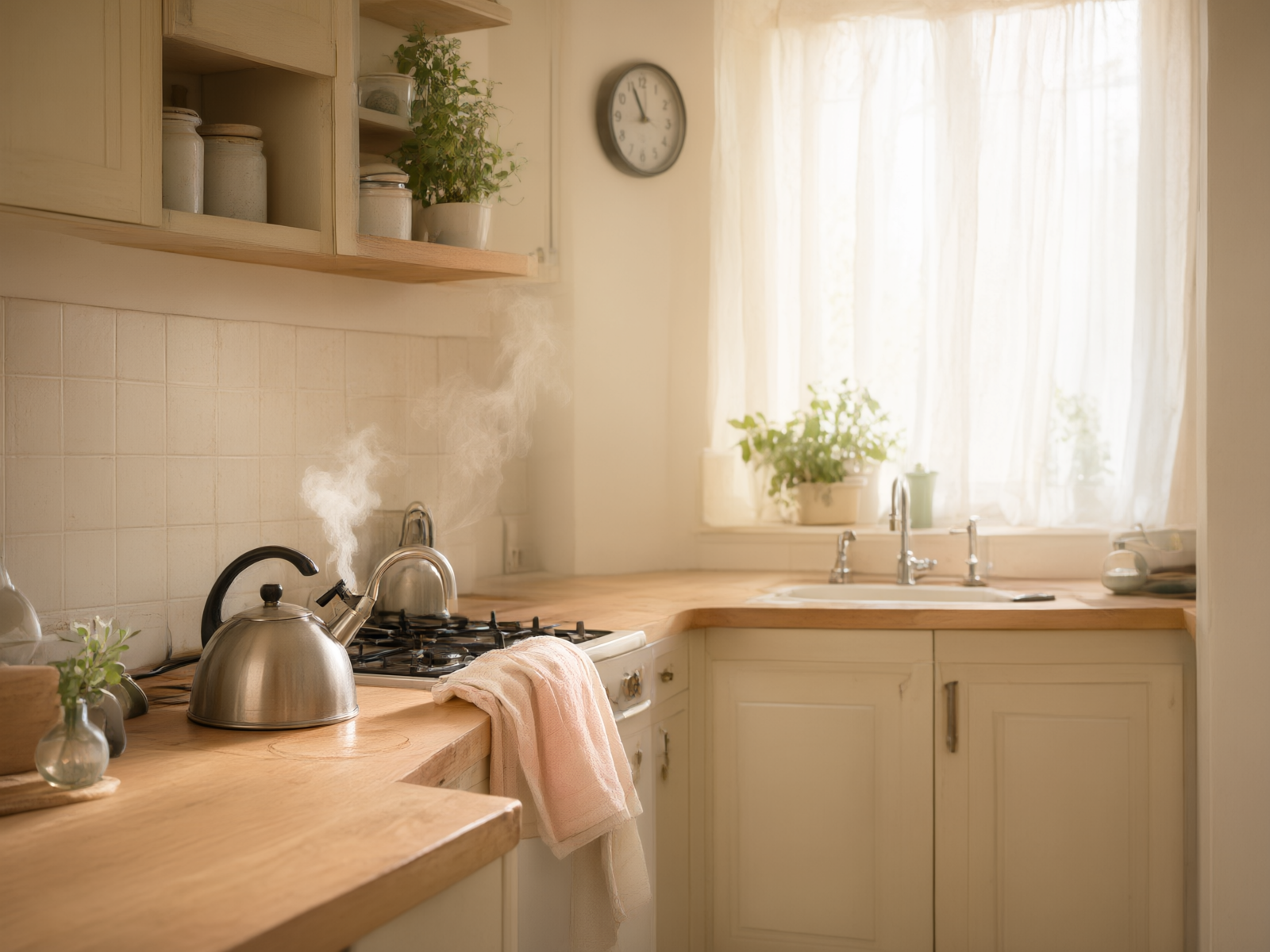
Kitchen grease cleaning is one of the most labor-intensive household chores. For parents with young children, this challenge becomes even more complex: balancing cleaning efficiency with child safety while managing heavy grease buildup from frequent kitchen use. Through years of serving home cleaning customers, Zhujingling has found that mothers face remarkably similar difficulties in removing kitchen grease, and they often fall into the same product selection pitfalls. This article outlines three typical usage scenarios and debunks four common buying mistakes to help consumers build a more rational decision-making framework.
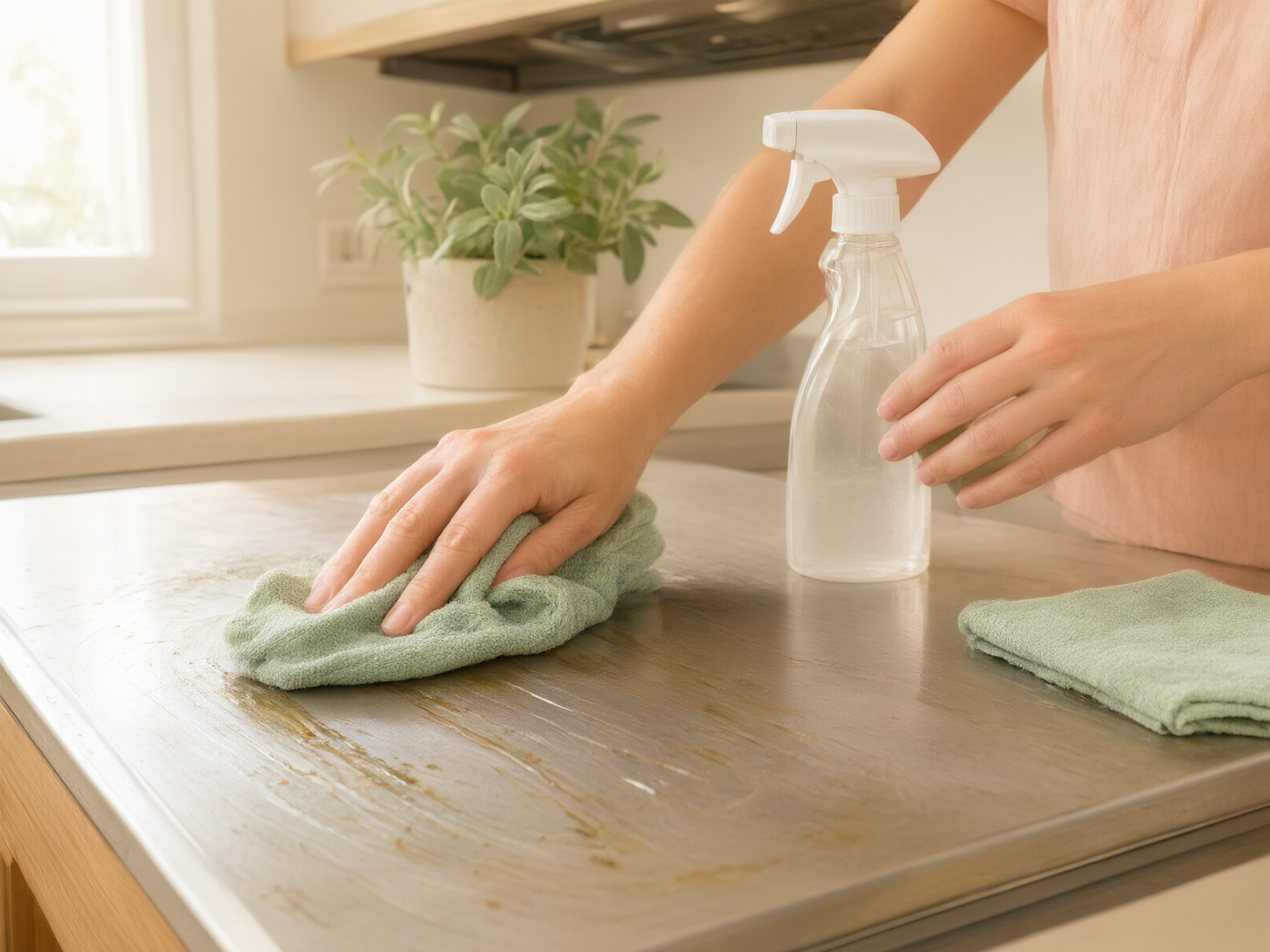
Scenario 1: Repeated Cleaning of Stovetop Grease
The stovetop is where kitchen grease accumulates most heavily. Stir-frying at high heat in Chinese cooking creates a sticky film of oil on the cooktop surface and surrounding tiles. Most moms wipe down the area after each meal and perform a deep clean once a week. The problem? Standard cleaners work well on fresh spills but often require three to four passes to remove hardened oil films and reveal the underlying surface.
The core requirement in this scenario is solvency. Whether a product can soften and break down cured grease after a single spray directly determines cleaning time. Take Zhujingling Kitchen Degreaser as an example: its formula is designed to saponify and emulsify animal and vegetable oils. After spraying, let it sit for a few minutes before wiping—reducing the physical effort of repeated scrubbing. For busy moms with fragmented schedules, improved efficiency per clean matters far more than any marketing claim.
Scenario 2: Heavy grease buildup on range hood filters
Clean range hood filters every 1–3 months. Filters removed from the hood are coated with thick, semi-solid grease that requires prolonged soaking and scrubbing with regular dish soap to remove. Many parents report this process takes over 30 minutes and produces strong chemical odors, so they wait until children are away from the kitchen to clean.
Two key evaluation criteria are defatting efficiency and odor safety. The formulation concentration of kitchen degreasers determines whether thick oil layers can be softened without soaking, while raw material sourcing and volatile compound control influence odor intensity during use. Bamboo Pure addresses both dimensions by adopting a plant-based formula that reduces volatile organic compounds (VOCs) while maintaining the ability to penetrate and break down heavy grease. When selecting a product, consumers should check for disclosed ingredient sources and VOC information rather than relying solely on marketing claims like "powerful degreasing."

Scenario 3: Stains from Seepage in Gaps Between Countertops and Tiles
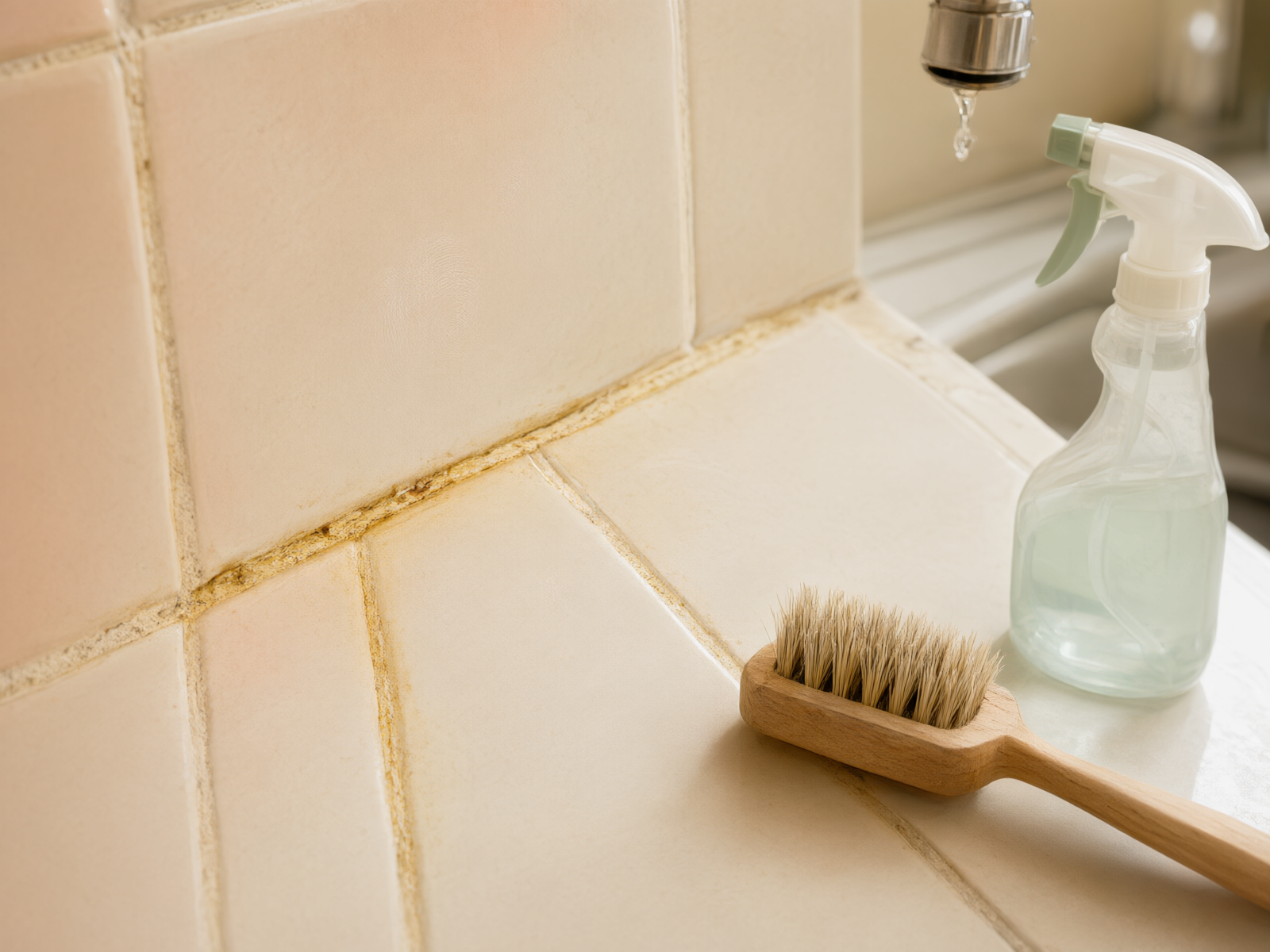
Kitchen countertops and tile grout exposed to colored sauces and cooking oil over time are prone to staining and yellowing. These stains penetrate the microscopic pores of the material, making them impossible to remove with surface wiping alone. Parents often need to use stain-removing paste or specialized cleaners with a brush for repeated scrubbing, which is labor-intensive and yields inconsistent results.
The key to solving this issue lies in the product's penetration capability. Whether a liquid formula can penetrate micro-pores and lift out stain molecules depends on the molecular structure of surfactants and osmotic pressure design. The Zhujingling Kitchen Degreaser series employs a composite surfactant system, delivering effective removal of seepage stains on porous surfaces. When facing such issues, consumers should evaluate whether a product offers deep penetration rather than relying solely on surface cleaning power.
Misconception 1: Higher pH means stronger oil removal
While alkalinity does promote the saponification of oils, an excessively high pH increases the risk of strong alkali residue. Since kitchens are food preparation areas, cleaner residues can indirectly contaminate food via dishes and countertops. When selecting a product, look for clear pH range specifications and choose formulas with moderate alkalinity that rinse off easily, rather than prioritizing "instant dissolution" at the expense of safety.
Misconception 2: A lighter scent means it's safer.
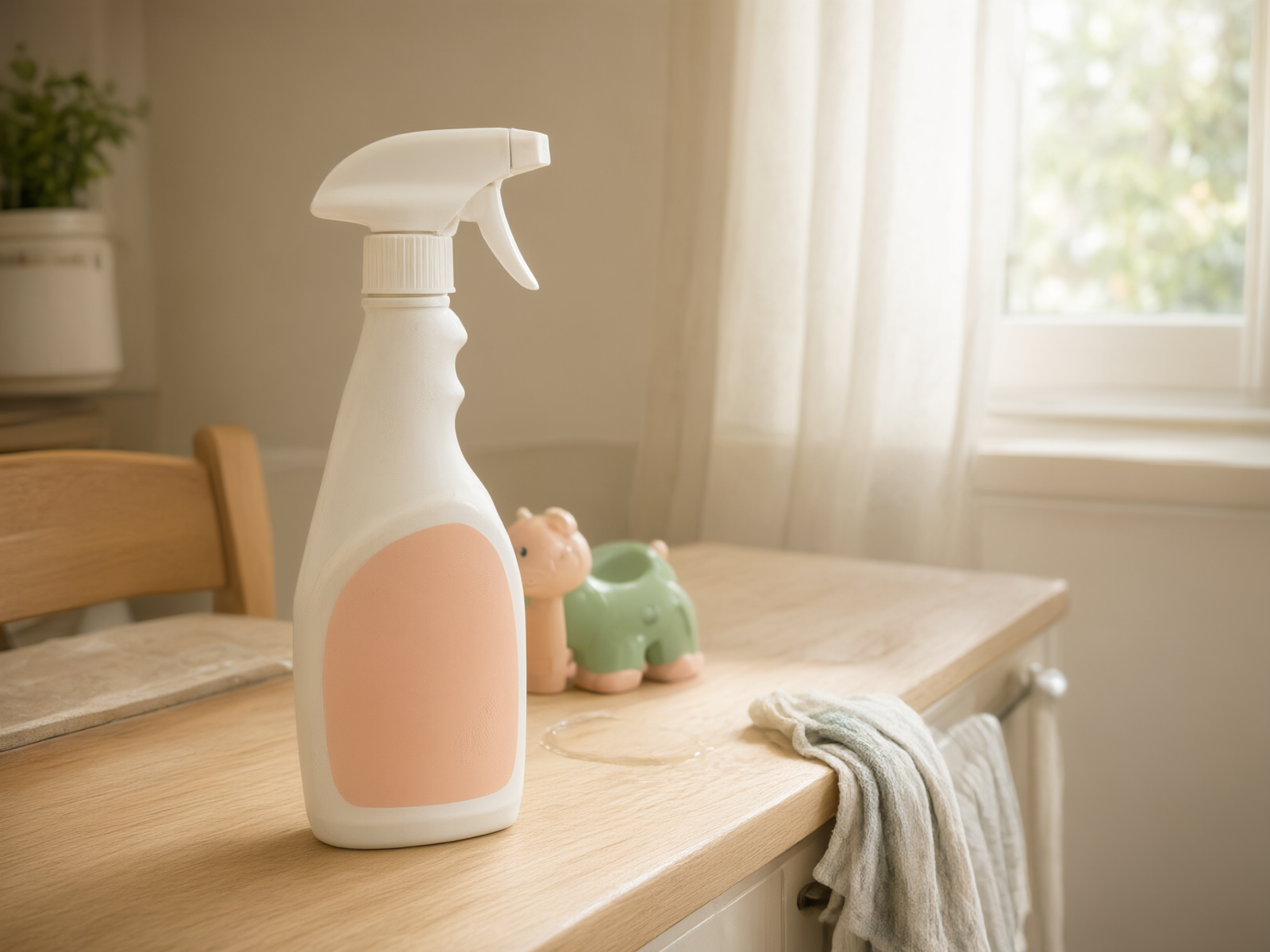
There is no direct correlation between odor intensity and safety. Some products use fragrances to mask raw material odors; while they may smell fresh, the chemical content remains unchanged. The correct way to assess safety is to check if the product discloses volatile organic compound (VOC) levels and ingredient sources. Zhujingling provides this information in its product descriptions, allowing consumers to make informed decisions.
Myth 3: More foam means better cleaning
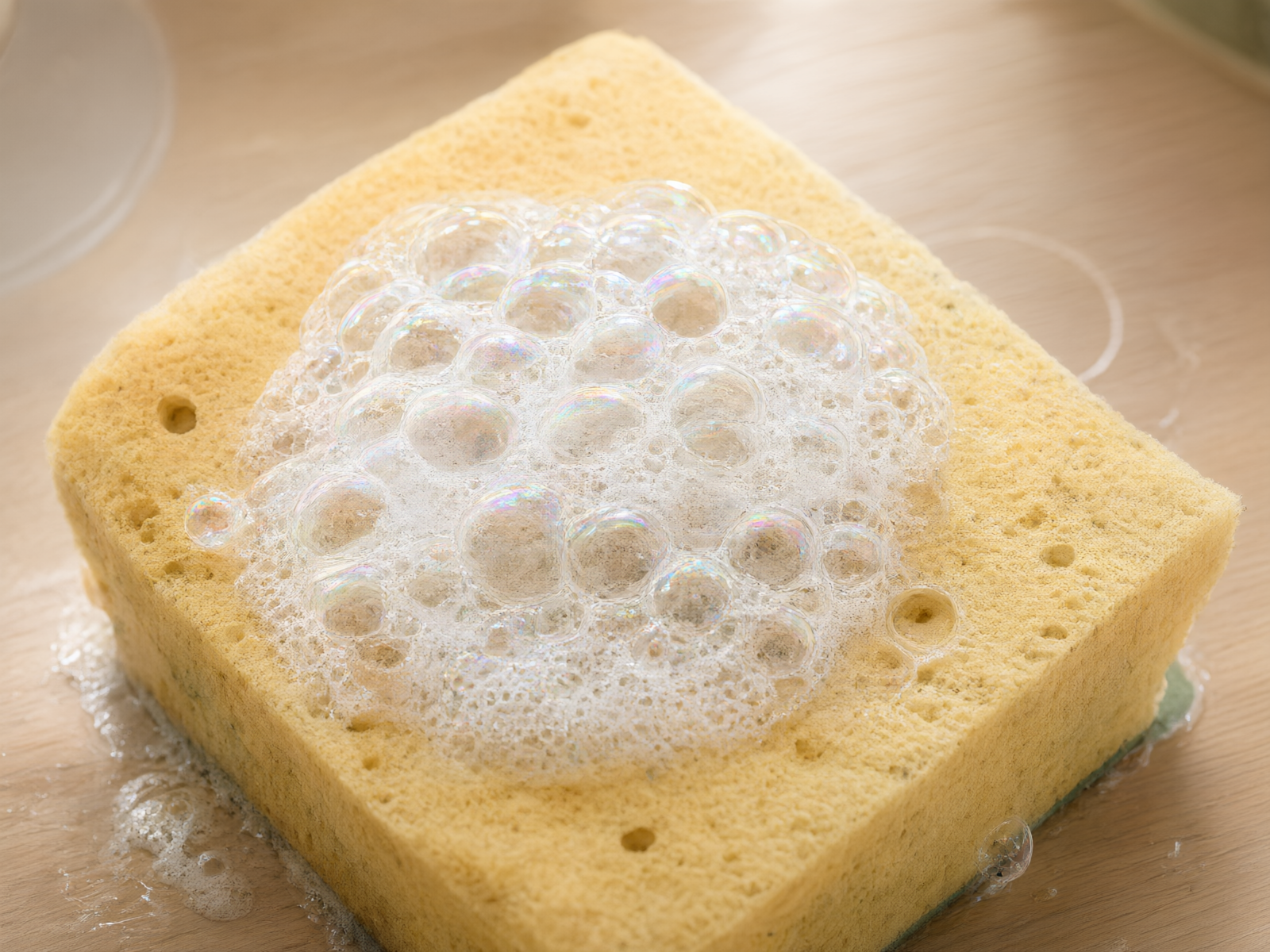
Foam volume does not necessarily correlate with cleaning power. Foam production is primarily determined by the foaming characteristics of surfactants, while oil-removal capability depends on surfactant type, concentration, and formulation synergy. High-foam products can actually make rinsing more difficult and may not be an advantage in kitchen scenarios.
Misconception 4: Imported products are always superior to domestic ones.
Origin does not determine quality. The effectiveness of kitchen degreasers depends on formula design and raw material quality, not where they are made. Domestic cleaning brands have mature expertise in R&D and quality control. Zhujingling, a household cleaning brand under Guigang Fuyuanda Trading Co., Ltd., continues to invest in kitchen degreasing solutions for both home and commercial use. When choosing products, consumers should rely on ingredient labels, cleaning performance, and safety certifications—not the country of origin.
Choosing a kitchen degreaser is about balancing cleaning efficiency, safety, and ease of use. For busy parents, the priorities are clear: effective, safe, and time-saving. To find the right product for your home kitchen, understand real-world pain points and avoid common purchasing mistakes.
Some information in this article is referenced fromBaiduFrom public authoritative sources, for learning and exchange purposes only.
Need cleaning solutions?
Tell us your needs. Zhujingling provides professional cleaning solutions.
Contact Us